
Fire Safety System Installation: A Strategic Approach to Building Safety and Compliance
In modern infrastructure development, fire safety system installation is a critical component of risk management and regulatory compliance. With increasing safety standards and complex building structures, implementing a well-designed fire safety system is essential for protecting lives, assets, and business continuity.
Organizations today require more than just basic fire protection—they need integrated, reliable, and scalable fire safety solutions.
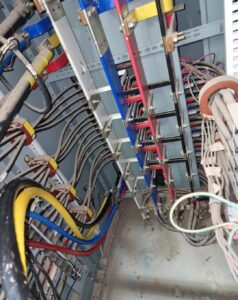
The Importance of Fire Safety System Installation in Modern Infrastructure
A professionally executed fire safety system installation plays a vital role in:
- Ensuring compliance with national and international fire safety regulations
- Minimizing operational risks and financial losses
- Enabling early detection and rapid response
- Enhancing overall building safety standards
Failure to implement proper systems can lead to severe legal, financial, and operational consequences.
Core Components of an Integrated Fire Safety System
A comprehensive fire safety system installation includes multiple interconnected systems:
Fire Detection Systems
Advanced detectors identify smoke, heat, or flame conditions at an early stage, ensuring timely alerts.
Fire Alarm and Notification Systems
Automated alarms and notification systems provide immediate alerts to occupants and emergency teams.
Fire Suppression Systems
Includes sprinkler systems, clean agent systems, and gas suppression solutions designed to control or extinguish fire effectively.
Fire Control Panels
Centralized control panels monitor, manage, and coordinate all fire safety components.
Emergency Response Systems
Emergency lighting, exit signage, and evacuation support systems ensure safe evacuation during critical situations.
Professional Fire Safety System Installation Process
A structured approach to fire safety system installation ensures optimal performance and reliability:
1. Risk Assessment and Site Analysis
Detailed evaluation of the facility to identify high-risk zones and safety requirements.
2. System Design and Engineering
Customized design based on building layout, occupancy type, and regulatory standards.
3. Equipment Selection
Use of certified, high-quality components to ensure durability and compliance.
4. Installation and Integration
Seamless installation and integration of all system components for unified operation.
5. Testing and Commissioning
Comprehensive testing to verify system functionality under real-time conditions.
6. Maintenance and Lifecycle Support
Regular inspections, servicing, and upgrades to maintain system efficiency.
Regulatory Compliance and Industry Standards
A key objective of fire safety system installation is adherence to safety standards such as:
- Local fire safety regulations
- Building safety codes
- Industry-specific compliance requirements
Professional installation ensures that systems meet all legal and operational standards.
Benefits of Advanced Fire Safety System Installation
Investing in a professional fire safety system installation provides:
- Enhanced life safety and asset protection
- Reduced downtime and operational risk
- Improved emergency preparedness
- Long-term cost efficiency
- Increased property value and credibility
Applications Across Industries
Fire safety systems are essential across various sectors, including:
- Commercial buildings and corporate offices
- Industrial manufacturing units
- Warehouses and logistics centers
- Healthcare facilities
- Residential complexes
Why Choose Professional Fire Safety Installation Services
Expert service providers deliver:
- End-to-end project management
- Compliance-driven solutions
- Advanced technology integration
- Reliable post-installation support
A professional approach ensures that the fire safety system installation is efficient, scalable, and future-ready.
Conclusion
In today’s high-risk environment, fire safety system installation is not just a technical requirement—it is a strategic investment in safety, compliance, and operational continuity. Businesses and property owners must prioritize high-quality installation and maintenance to ensure long-term protection and peace of mind.