
Fire safety is one of the most important aspects of protecting lives, property, and businesses. Effective firefighting and fire control systems help prevent fire accidents, minimize damage, and ensure quick emergency response during critical situations. Whether in residential buildings, commercial spaces, factories, warehouses, or industrial facilities, proper fire protection systems are essential for maintaining safety and compliance.
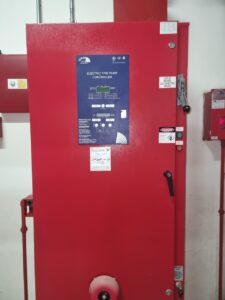
Firefighting systems are designed to detect, control, and extinguish fires before they spread and cause major damage. Modern fire protection solutions combine advanced technology, early warning systems, and emergency response equipment to improve overall safety and reduce risks.
Fire control systems typically include fire alarms, smoke detectors, sprinkler systems, fire extinguishers, hydrant systems, emergency lighting, and suppression systems. These systems work together to identify fire hazards quickly and support fast evacuation and firefighting operations.
One of the major advantages of fire control systems is early fire detection. Smoke detectors and fire alarm systems provide immediate alerts when smoke or heat is detected, helping occupants respond quickly and safely. Early warning systems can significantly reduce injuries, property damage, and operational disruptions.
Automatic sprinkler systems are widely used in commercial and industrial buildings to control fires during the initial stages. These systems release water automatically when high temperatures are detected, helping contain the fire before emergency teams arrive.
Fire extinguishers are another important component of firefighting systems. Different types of extinguishers are used depending on the type of fire, including electrical fires, flammable liquids, gas fires, and ordinary combustible materials. Proper placement and maintenance of extinguishers are essential for effective fire response.
Fire hydrant systems provide a reliable water supply for firefighting operations in large facilities and high-rise buildings. These systems support emergency responders by delivering high-pressure water during fire emergencies.
Professional firefighting and fire control services ensure that all fire protection systems are installed, inspected, and maintained according to safety standards and local regulations. Regular testing and maintenance help ensure that fire safety equipment functions properly during emergencies.
Fire safety training and emergency preparedness are also important for improving workplace safety. Employees and occupants should understand evacuation procedures, emergency exits, and the proper use of firefighting equipment.
Investing in reliable firefighting and fire control systems helps protect people, infrastructure, and business operations from fire-related risks. With proper planning, advanced safety systems, and regular maintenance, organizations can create a safer environment and ensure better emergency response capabilities.